There are some destinations where it is impossible not to be struck by Cupid’s arrow. Our surrounding environment can influence our behavior, mood and emotional connections. Most would agree being in close proximity to nature has a calming effect on the mind and body, allowing stronger bonding with your partner. But there are many other factors that can help romance to blossom, from sightseeing to sipping wine in atmospheric bars.
InsureMyTrip research teams set out to discover the most popular destinations for honeymoons and marriage proposals, according to social media. Then researchers evaluated whether these “romantic” destinations were worth the hype. InsureMyTrip compared this research with other data points to create a definitive list of the most romantic destinations for couples, just in time for Valentine’s Day!
A “-” score indicates that data could not be obtained for this destination
The Most Romantic US Destinations to Visit
Rank
Destination
Country
1
Charleston
United States
0.11
1.23
–
5.41
6.86
10
9.01
0.51
6.19
4.92
2
San Francisco
United States
1.42
3.91
3.77
4.59
4.32
8.09
7.4
3.63
6.19
4.81
3
Los Angeles
United States
1.96
5.14
5.3
4.5
4.5
8.69
5.16
0.21
6.19
4.63
4
New York City
United States
0.88
2.39
3.77
5.54
4.7
8.39
7.21
0.85
6.19
4.43
5
San Diego
United States
0.45
2.61
5.51
5.5
4.83
5.98
8.21
0.24
6.19
4.39
6
Miami
United States
2.55
5.87
5.08
1.85
5.17
4.38
6.74
0.6
6.19
4.27
7
Honolulu
United States
1.1
0.07
4.64
1.31
3.72
1.93
7.29
0.81
6.19
3.01
A “-” score indicates that data could not be obtained for this destination
Key Findings
No surprise here-research confirms Paris, France as the most romantic destination. For years now Paris has been known as “The City of Love,” and our research affirms this. Paris saw the highest amount of proposals and is home to the most romantic landmarks. However, Paris did not rate the highest for quality of wine bars, as this accolade goes to Charleston in the United States.
Charleston is the most romantic US destination and something of a hidden gem. The city may lack famous landmarks but the well-preserved architecture, distinguishable wine bars and quality of green spaces make it an ideal setting for couples.
Other interesting findings include: London is the second most romantic city, Santorini in Greece is the most popular for honeymoons (according to Instagram) and Ubud in Bali is the most romantic outside of Europe. If you are looking for a more budget-friendly option, Jaipur in India offers an affordable romantic destination after travel fees. Lisbon in Portugal is the most LGBTQ friendly destination.
Methodology
Each data point consists of the latest research available from reputable sources. The sources include eight destination specific data points and one country level data point. The data was standardized using minmax normalization. The minmax normalization value is multiplied by 10 to create a score (between 0-10). A score of 10 is always the best result, while a score of 0 is the worst. Each destination is then ranked on their overall rating across all romantic data points, to find which destination is the most romantic.
InsureMyTrip isolated each data point in addition to giving an overall category score. This will give couples an opportunity to target destinations for individual points (e.g. quality of wine bars, green space or price). Alternatively, the “Overall” category score gives a general view of which destinations will make you and your better half swoon.
Sources
Honeymoon Popularity
Popularity was assessed using the number of Instagram Posts for #honeymoon (sample of 54,190 posts). https://www.instagram.com/
Proposal Popularity
Popularity was assessed using the number of Instagram Posts for #isaidyes & #proposal (sample of 22,328 posts). https://www.instagram.com/
Number of Sights & Landmarks filtered by “Good for Couples” according to TripAdvisor. The total number for each destination was divided by the destination area size to give us per square mile data. https://www.tripadvisor.com/
The New Year is always greeted by the hope and promise of being a better person in the year ahead. Why not make some resolutions to become a better traveler?
Here is a look at our five favorite New Year travel resolutions.
Travel in Style
Travel can be exhausting, and travelers often reach for the most comfortable item in their closet before heading to the airport. While incredibly comfortable, that well-worn, stained, or ripped old pair of sweatpants may not be your best choice. The glamour of the 1970s airport lounges and cocktail bars may be a thing of the past, replaced by 4-seat rows, minimal leg room, and fold down trays, but we can still all make an effort to put real pants on. We recommend dressing in comfortable layers with a loose T-shirt, sweater or sweatshirt for warmth, fitted pants with stretch, and flat closed-toe shoes.
Limit Luggage
It is no secret that luggage space is at a premium on flights. Many airlines charge baggage fees for any checked items, and additional fees if the baggage is over a certain weight. Then there are concerns of lost baggage and baggage transfers, followed by lugging clunky bags from the baggage claim to our final destination. In this New Year, let’s re-evaluate our needs and aim to cut down on travel stress by cutting down on baggage. Do you really need that extra pair of shoes? Aim to fit all necessary items nearly into your carry-on bag, or for short trips, fit everything into one personal item that can slip under the seat in front of you. Be sure to check your airline’s policies for information on size restrictions and possible fees in advance to make the best packing decisions for your trip.
Explore Beyond the Concierge
The hotel concierge is a great source of information, but will often point travelers to the most popular and expected destinations. There is no shortage of technology to connect us to maps, reviews, recommendations, travel blogs, and other inspiration, and it is often right at your fingertips. Or considering asking for advice from residents – this is a great way to have an authentic experience of living like a local in your destination. It is said that the journey is half the fun, so why not find your own way?
Rethink Unnecessary Gifts
Often we show the ones back home that we thought of them on vacation by giving them gimmicky, cheap gifts. How many of us have run through airport gift shops to purchase a magnet or T-shirt for someone we forgot to buy for? Often prices on these items are inflated, the quality is low, and really who needs another bottle opener from a destination they have never been to? Without the memory associated, these items can quickly become junk. Save the money and space in your carry-on by skipping the chachki and giving the people back home what they really want – you, back home safe and sound.
Be Prepared
Life happens. While we all dream about our perfect vacation, the reality is that there can be bumps in the road or unexpected occurrences that may put a kink in our travel plans. Make sure you and your trip are protected by purchasing travel insurance after making your reservations.
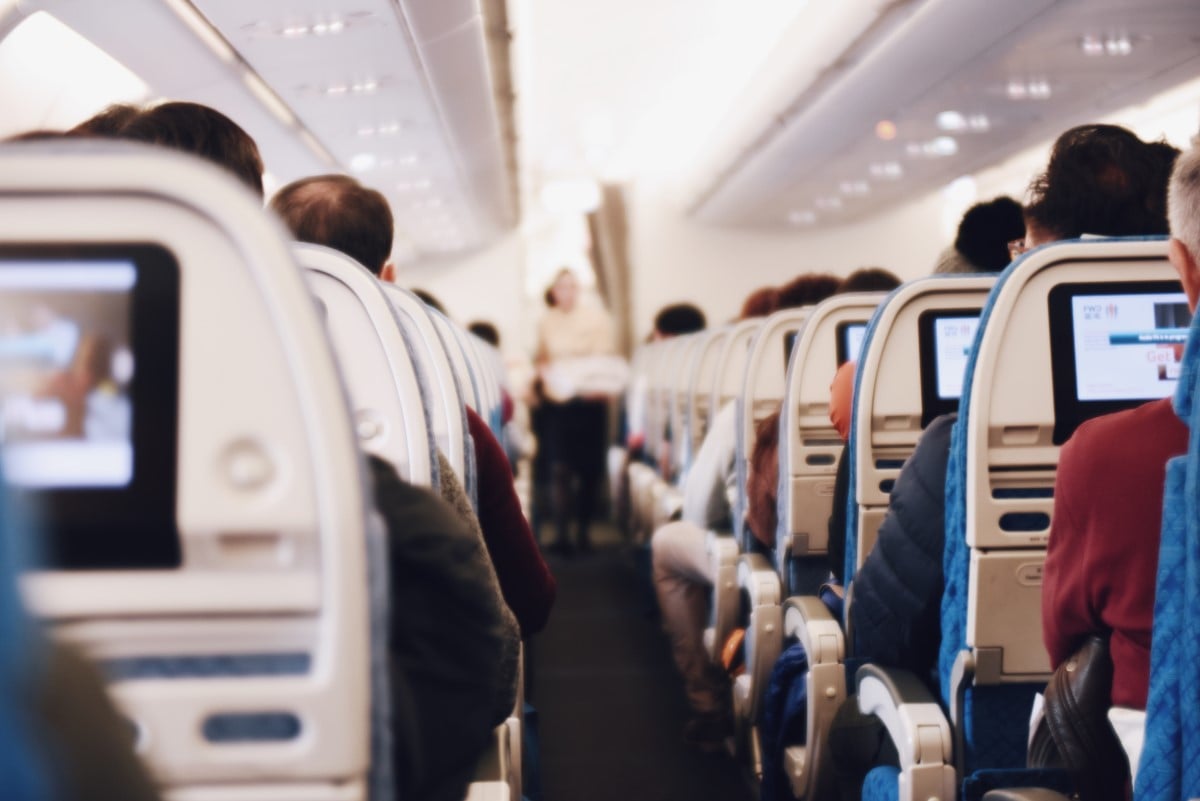
Chances of being involuntarily bumped from a flight are slim, but it does happen. Bumping, also known as “denied boarding,” occurs when there are more ticketed passengers booked on a flight than there are seats available. It is recommended for travelers to be familiar with the policies associated and know their rights before arriving at the airport.
Why are You Being Asked to Take a Flight Bump?
Airlines can legally overbook a scheduled flight up to a certain percent in order to compensate for “no-shows,” which are passengers who don’t show or change flights prior to take off. Unfortunately, it makes sense. It’s like inviting 30 friends to a dinner party. Then the Morris family get sick at the last minute and the Johnsons can’t find a babysitter. You made enough to feed 30, but now you’re stuck with too much food. The airlines are just trying to avoid getting stuck with empty seats.
Most of the time, airlines correctly predict the number of no-shows. But sometimes passengers are bumped, voluntarily or involuntarily, from their flight as a result.
Voluntarily vs. Involuntarily Giving Up Your Seat
In the event of an overbooked flight, airlines must first ask passengers to give up their seats voluntarily, in exchange for compensation, before bumping anyone involuntarily. Airlines may offer passengers incentives – including money, hotel accommodations, or vouchers – to volunteer. Passengers are free to negotiate with the airline over the compensation as there is no limit to the amount they may offer.
However, there are many situations where bumped passengers are not entitled to any compensation. These situations include:
Aircraft change
Weight and balance restrictions
Class downgrade (travelers are refunded for the difference in price)
Charter flights
Small aircraft (30 or fewer passengers)
Flights departing from a foreign location
If passengers are not bumped from a flight for one of the reasons listed above, they may qualify for involuntary-denied boarding compensation. This applies if an airline requires a passenger to give up their seat on an oversold flight and they have a confirmed reservation, checked-in to the flight on time, arrived at the departure gate on time, and the airline cannot get the traveler to the destination within one hour of the flight’s original scheduled arrival time.
Denied boarding compensation (DBC) is calculated based on the price paid for the ticket, the length of time the traveler is delayed in getting to their destination, and whether the flight is domestic or international. If the flight change makes the passenger 1-2 hours late, they are entitled to 2X the ticket price paid for a maximum of $675. If the flight change makes them 2+ hours late, they can get 4X the ticket price for a maximum of $1,350. Again, if the change makes the traveler less than an hour late, they are not entitled to any compensation.
How Do You Avoid a Flight Bump?
When booking, avoid purchasing the cheapest ticket, because those will be the cheapest for the airlines to bargain with.
Consider joining the airline’s loyalty program, automatically increasing your value as a customer to that airline.
Fly at off-peak times, which may reduce the number of people onboard and the chance of being on an overbooked flight.
At the airport, check in as early as possible and don’t be late to the gate.
As of October 2024, updated Department of Transportation (DOT) rules guarantee refunds for significant flight delays, cancellations, or schedule changes for flights originating/departing the United States. These rules apply across both domestic and international flights originating in the U.S. (Important Note: international flights abroad still have their own policies.)
This means if your flight is canceled, delayed significantly, or your itinerary is changed, you are entitled to a full refund or alternative accommodations, improving transparency and accountability from airlines.
It’s important to note that these rules only apply to air travel and do not cover other elements of your trip, such as hotels, tours, or cruises.
While the updated DOT rules are an important step forward for air travelers, they only cover flight-related issues and do not address the broader risks that travel insurance does.
Comprehensive travel insurance protects flight-related issues for both domestic and international trips along with non-flight-related and covers risks like medical emergencies, trip cancellations, and more.
Tips for Protection from Bug Bites While Traveling
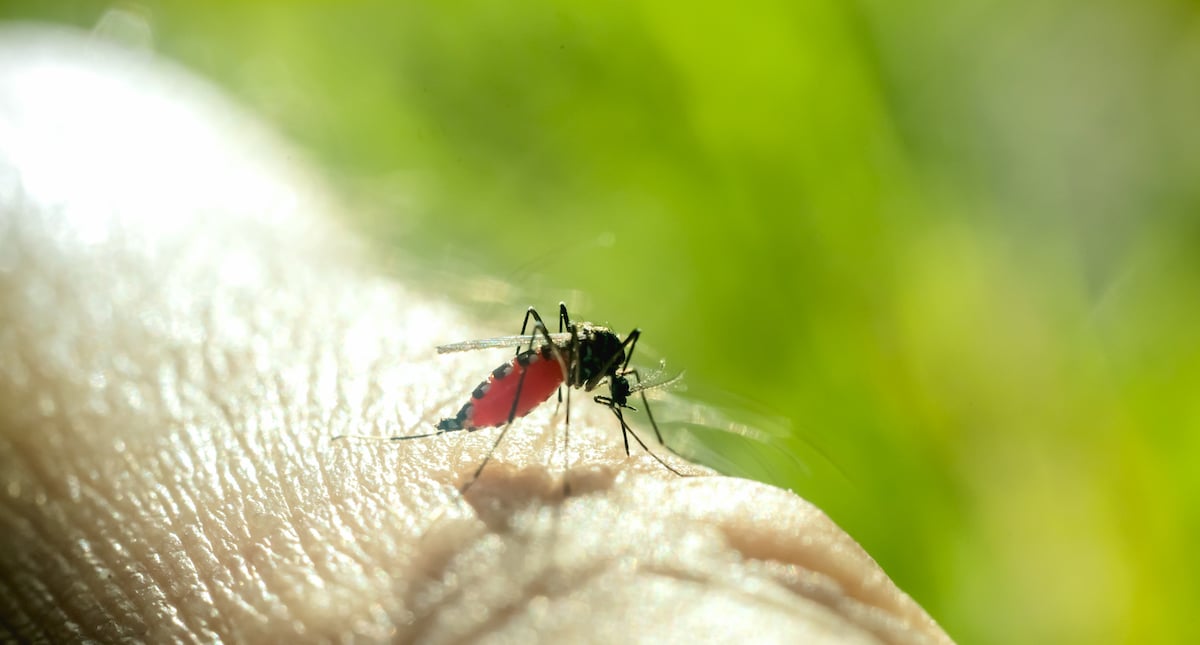
Tropical destinations may be a vacation from reality, but travelers should still be vigilant to protect against bug bites, even in paradise. Thriving in hot and humid climates, insects like mosquitoes, ticks, and fleas may carry disease. They pose a serious threat to travelers by carrying viruses like malaria, yellow fever, Zika, dengue, chikungunya, Lyme, and others. One bite can cause serious illness, or at the very least, make for an itchy and uncomfortable few days. With this in mind, we put together a list of the 9 best ways to protect yourself from insects when traveling to these warm climates.
1. Insect Repellent
This may seem like an obvious option, but many bug sprays only protect from mosquitoes. It is recommended to buy repellent that defends against all insects, like an Environmental Protection Agency (EPA)-registered insect repellent, to keep insects at bay. When applying, always follow the product label instructions. Reapply as directed. If using in addition to sunscreen, apply the sunscreen first, then the insect repellent to better protect against bug bites.
2. Cover Your Skin
Long-sleeved shirts and long pants may not be fashionable when the weather is warm, but covering your skin with clothing is the best way to avoid insect bites. Moisture-wicking long-sleeve shirts are light and breathable, protecting not only from insect bites but also from the powerful rays of the sun. If wearing shorts, consider wearing knee-high socks to protect lower legs, ankles, and feet. Wear closed-toe shoes. Avoid brightly-colored clothing as vibrant colors attract insects. Light colored clothing makes insects that may be attached easier to spot. Keep in mind that some bugs can bite through thin fabric. For additional bug bite protection, wear clothing pre-treated with permethrin, a topical insecticide.
3. Tuck in Your Clothes
This may not be the most fashion-forward style, but tucking your shirt into your pants is an important aspect of insect protection. Not only should you tuck your shirt in, but tucking your pants into your socks can be even more helpful. This may attract some odd looks from fellow travelers, but this action will seal off a potential crevasse that insects can crawl into and hide. It will be worth the fashion faux pas if it prevents ticks from crawling up your leg under your pants.
4. Maintain Screen Windows and Doors
It’s very common to have a small tear or two in screen door and windows, particularly in high traffic areas. Inspect any screens upon arrival and repair any damage as soon as possible. If staying at a resort, alert the maintenance crew. Insects can take advantage of the slightest opening in a screen to get into wherever you’re staying.
5. Use Air Conditioners
When looking for ways to keep cool inside during the summer, air conditioning is a bit more costly than keeping your windows and doors open. However, the extra expense may be worth the price when considering that open doors are inviting entrances for mosquitos and other insects.
6. Keep Trash Covered Up
For Airbnb travelers and summer house renters: If you spend a lot of time outside, there’s a good chance that some leftover food may be left behind. Be sure to pick up all trash and put it in a covered garbage can. If the can is not covered or food waste left in the open, it is guaranteed to attract insects.
7. Drain Standing Water
Insects are attracted to small puddles of water that have been sitting for a long time. For example, water left in wheelbarrows, buckets or birdbaths will attract bugs. Therefore, make sure that you replace or pour out any standing water found near where you’re staying to maximize bug bite protection.
8. Sleep Under a Mosquito Net
When traveling to an exotic location where insect-borne diseases are prevalent, it may be wise to sleep in a bed with a permethrin-treated mosquito net over it. This will provide you with some peace-of-mind when you head off to bed. If staying at a resort, request one from your concierge.
9. Educate & Planning
Knowledge is power, and education of a possible threat is the best way to prevent future problems. Before leaving for your trip, be aware of the specific threats in your travel destination and obtain any necessary immunizations to reduce the risk of contracting locally contained diseases. Check with the Centers for Disease Control (CDC) or a licensed healthcare provider to determine the most up-to-date vaccination needed for the area to which you are traveling, and work with them to finalize your immunization plans and administration. Educate yourself on specifics of insects residing in your destination and what risks they pose to visitors. Know where to expect them, what environments they thrive in, and their most active hours so you can take extra precautions against them at peak times. Be able to recognize the symptoms of a bite or sting, know how to treat them, and know when to seek attention from a doctor. If traveling abroad, consider taking out travel medical insurance in advance of your trip to cover any costly medical bills you may incur if a visit to a doctor is necessary.
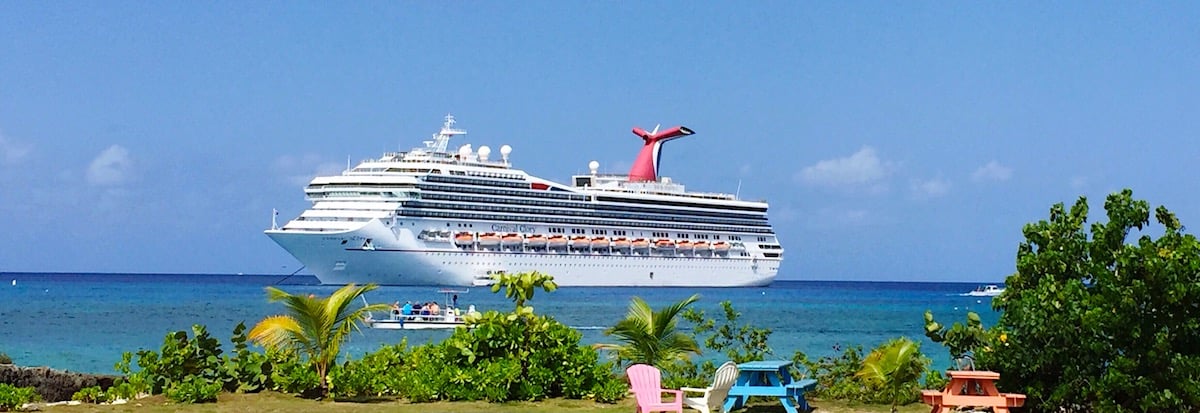
If you’ve been planning a cruise vacation, you may have heard the phrase “wave season.” Wave season refers to the time of the year when the cruise industry offers discounted rates. These deals make it the most popular time for cruisers to book their trips.
When is Wave Season?
While the dates are not exact, wave season typically runs from mid-January to mid-March each year. The types of offers and discounts will vary by destination and cruise line, but the majority of cruises are booked during this promotional period.
How Can Cruisers Get the Best Deals During Wave Season?
Now that you know what wave season is and when it occurs, you can leverage the promotional period to get the best deal on your cruise vacation. For example, if you’re considering booking a cruise for the coming year as a holiday gift, it may be better to wait a few weeks before booking until the wave season promotions begin to run.
Book an Off-Peak Cruise
If your departure dates are flexible, you may be able to save even more money by traveling during off-peak times. Off-peak season cruises are typically cheaper due to lower demand, so combining off-peak deals with wave season deals is a great way to spend less and get more. Research your cruise destination to find out when the peak seasons are.
Travel Agents & Package Deals
If you plan on booking your cruise through a travel agent, you may be able to combine deals for additional savings. Some travel agents have partnerships with specific cruise lines and in some cases can offer further incentives, like free upgrades, package deals, and specialty options.
Loyalty Programs
If you’re a frequent cruiser, consider becoming a loyalty member with your favorite cruise line for even more savings. Your membership may entitle you to exclusive offers or first dibs at special promotions. The savviest cruisers combine loyalty savings and exclusive offers with wave season deals for maximum discounts.
Discounts for Seniors
Senior citizens may qualify for additional discounts either directly through the cruise line or indirectly through a membership program. For example, AARP frequently runs deals that allow older travelers to save even more on their nautical vacations.
Depart from a Local Port
While not everyone lives close to a cruise port of call, those who do can save by choosing a local departure option. Doing so allows travelers to avoid having to book expensive flights or pay for long-term parking.
Research & Plan Ahead
Planning ahead gives cruisers the best chance at booking a high-quality cruise at the lowest possible price. Start with a budget and research your desired cruise line and destinations. Then watch for promotions during wave season to find an option that suits your needs and budget. Most importantly, be prepared to act fast and book at a moment’s notice. Some cruise deals only run for a limited time, so you’ll want to make sure you can book before it’s too late.
Purchase Travel Insurance When You Book
Once you have booked your perfect cruise at a great price, don’t forget to purchase cruise travel insurance. Cruises can be complex vacations with multiple legs, international destinations, and many costs paid up front. Unexpected illness or injury are top concerns of travelers. Many cruisers don’t know that their domestic medical insurance provider may not cover care they receive outside of their home country. Medical travel insurance coverage can offset these expenses. Depending on the plan, cruise travel insurance can also protect you for various other reasons including missed connections, lost baggage, cancellation due to severe weather, or an emergency evacuation from the sea. It is advisable to research your insurance options and purchase a policy through a third-party source that fits your specific travel needs.
A Guide to the Best Hawaiian Island Cruise Vacation
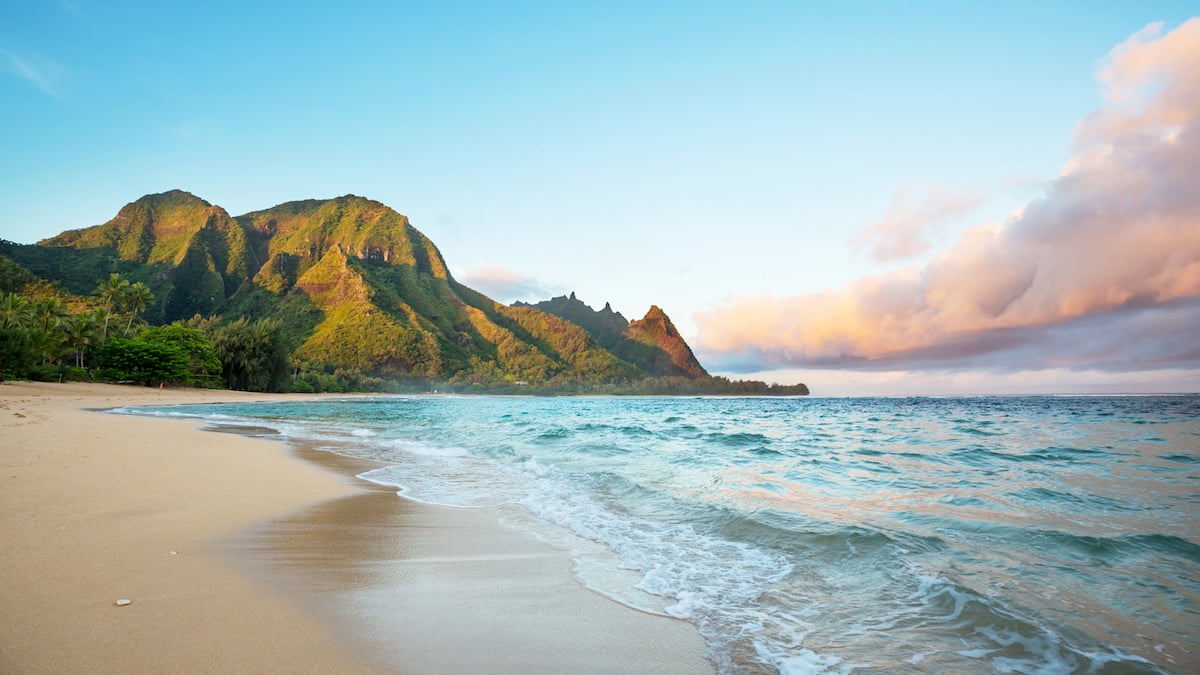
When it comes to tropical cruise destinations, the beautiful islands of Hawaii are a popular choice. Famous for scenic waterfalls and luxurious beaches, Hawaii is consistently one of the top travel destinations in the United States. With a unique blend of Polynesian and American cultures, the Aloha State is renowned for its welcoming and laid-back way of life. Beautiful and diverse, the eight major islands are home to dramatic topography ranging from mountainous rainforests to barren volcanic calderas to iconic black sand beaches. A wide collection of heritage sites and historical museums encourage visitors to get acquainted with the long history of the islands.
Can You Cruise to Hawaii?
Many travelers wonder if it is possible to cruise to Hawaii. The answer is yes, and travelers have many options when planning their Hawaiian cruise. Choices range from roundtrip cruises from Honolulu, roundtrip cruises from domestic and international locations, or one-way repositioning cruises.
Hawaiian Cruise Ports & Departure Locations
Most U.S. departure ports are located on the West Coast, with cruises leaving from Los Angeles, San Diego, San Francisco and Seattle. Some Hawaiian cruises depart from Canadian ports, like Vancouver, or other international destinations, like Tahiti.
Cruises that depart from Hawaii itself, like those leaving from Honolulu, take cruisers around the various scenic islands. The most common Hawaiian island stops include Kona, Hilo, Maui, and Kauai. The specific ports offered are usually dependent on the cruise line itself.
Vacation packages provided by several Hawaiian cruise lines offer many options for the duration of the cruise. Trips can typically last between 7-14 days. Cruisers looking to eliminate flights may prefer cruising roundtrip from the mainland, which can feature as many as eight days at sea.
When planning a Hawaiian cruise, departure location, destination, and duration are key considerations.
When is the Best Time to Take a Hawaiian Cruise?
In reality, there’s never a bad time to cruise to the islands of Hawaii. However, various times of the year have their own advantages to consider when planning a Hawaiian cruise.
Late spring (April – early June) is usually considered the best time to take a Hawaiian cruise. Spring cruises see better weather as this is the first part of the dry season. Being one of two shoulder seasons means a drop in fares, and the cruise ships are typically less crowded.
September – December is the second of the shoulder seasons so prices are often reduced. Crowds are also thinner and the weather is good as the rainy season doesn’t begin until late November/early December.
The winter months are the most popular time for tourists to visit Hawaii, as many hope to escape the cold winter weather or travel for the holidays. However, this is also the rainy season on the islands (from November to March). Cruises at this time are often crowded during these peak travel periods and prices may be higher because of this. Travelers considering a one-way cruise with a flight versus a roundtrip Hawaiian cruise package should remember that flights are also at their peak prices due to popular demand.
Many families look to travel in the summer (June – August) while school on the mainland is out. The weather is ideal as this period is the driest part of the dry season for the islands. Because of this, cruises can be crowded, and prices may spike because of the demand. Only certain cruise lines offer standard and interisland cruises at that time, so options may be more limited than other times of year.
Popular Hawaiian Cruise Lines
Celebrity Cruises
Carnival Cruise Line
Crystal Cruises
Norwegian Cruise Line
Royal Caribbean International
Princess Cruises
Holland America Line
While a variety of cruise lines sail to Hawaii, the only large cruise ship based there is Norwegian Cruise Line, sailing from Honolulu.
To sail Hawaii’s smaller islands, travelers may consider expedition cruise lines like UnCruise Adventures.
Island Highlights
Hawaii is home to some of the best scenery our world has to offer, making it a fantastic spot to spend your vacation. Many cruisers choose to stay in Honolulu on the island of Oahu before or after their cruise, as there is easy access to Waikiki Beach. Waikiki is considered one of the world’s most beautiful beaches. Pearl Harbor is also a popular destination for travelers, as typical cruise excursions allow tourists to experience the memorial of the USS Arizona.
On Hawaiʻi Island (the Big Island), cruisers can visit Kona to try world-famous Kona coffee before embarking on their adventures for the day. Hilo is also a popular excursion destination, famous for Hawaiʻi Volcanoes National Park. This park is home to some of the most unique geological landscapes in the world, encompassing the summits of two of the world’s most active volcanoes – Kīlauea and Mauna Loa. The beautiful and diverse landscape of this island provides scenery that is unforgettable for travelers.
Those looking for adventure may look towards the islands of Maui and Kauai, which are both famous for their beautiful national parks. There is no shortage of locations to check out tall waterfalls, stunning sunsets and breathtaking beaches throughout the islands. Be sure to take advantage of any stretch of sand when you plan a Hawaiian cruise and vacation getaway.
No matter which island, Hawaii offers travelers an extensive array of attractions and adventures, all in the settling of one of the world’s most stunning landscapes. It is no surprise this port of call is one of the most popular travel destinations in the United States and a cruise is one of the best ways to explore the incredibly diversity this island chain has to offer.
The USA is home to one of the most diverse landscapes in the world. As a result, it is no surprise that it is a popular destination for thrill seekers from all over the world. Rafting the Grand Canyon and rock climbing in Zion National Park are listed among the most popular bucket list items for adventure enthusiasts. In every state there is excitement to be had for adrenaline junkies of all levels, but which state offers the highest number of heart-pounding activities?
Key Findings
Every traveler’s bucket list is unique. Some may prioritize skydiving whereas others may prefer a rugged mountain biking adventure. For those who want options, we have found which states have the largest variety of adrenaline pumping opportunities across a range of activities for your vacation.
As you can see, California is the undisputed leader among adrenaline-fueled states. It has a diverse natural landscape with mountain ranges, deserts, valleys and everything in between. These diverse conditions make the state an ideal location for a variety of adventurous activities. According to sources, California has 8,197 mountain biking trails, the highest number in the United States. It also has the most skydiving drop zones with 29 locations. California is also the leader for climbing destinations, as 27crags states that there are over 195 climbing spots worth visiting in the Golden State. Even the residents of California have a reputation as adrenaline junkies, with some individuals aggressively campaigning to legalize one of the most dangerous activities of all, Base Jumping.
Looking elsewhere in the US, it was somewhat expected that one of the northern most states would top the ranking for snow sports, yet some may be surprised to learn that it is Michigan that has the most snow sport areas.
Colorado was another strong performer across a variety of activities, highlighted by over 60 commercially guided whitewater rafting companies, according to Google My Business.
Methodology
Each data point consists of the latest research available from reputable sources. The data was standardized using minmax normalization. The minmax normalization value is multiplied by 10 to create a score (between 0-10). A score of 10 is always the best result, while a score of 0 is the worst. Each state is then ranked on their overall average rating across all adrenaline activities, to find which state has the most adrenaline activities.
InsureMyTrip segregated each activity in addition to giving an overall category score. This will give enthusiasts within that specific extreme sport an opportunity to target the states for their favored activity. Alternatively, the “Overall” category gives adrenaline junkies an encompassing view of states that are the most appropriate for a variety of adrenaline activities.
The number of Paragliding & Hang Gliding chapters in each state. A chapter is an organization licensed to conduct flying experiences with others https://www.ushpa.org/page/chapters
White Water Rafting
The total number of commercially guided White Water Rafting opportunities in each state according to Google Maps API https://www.google.com/maps
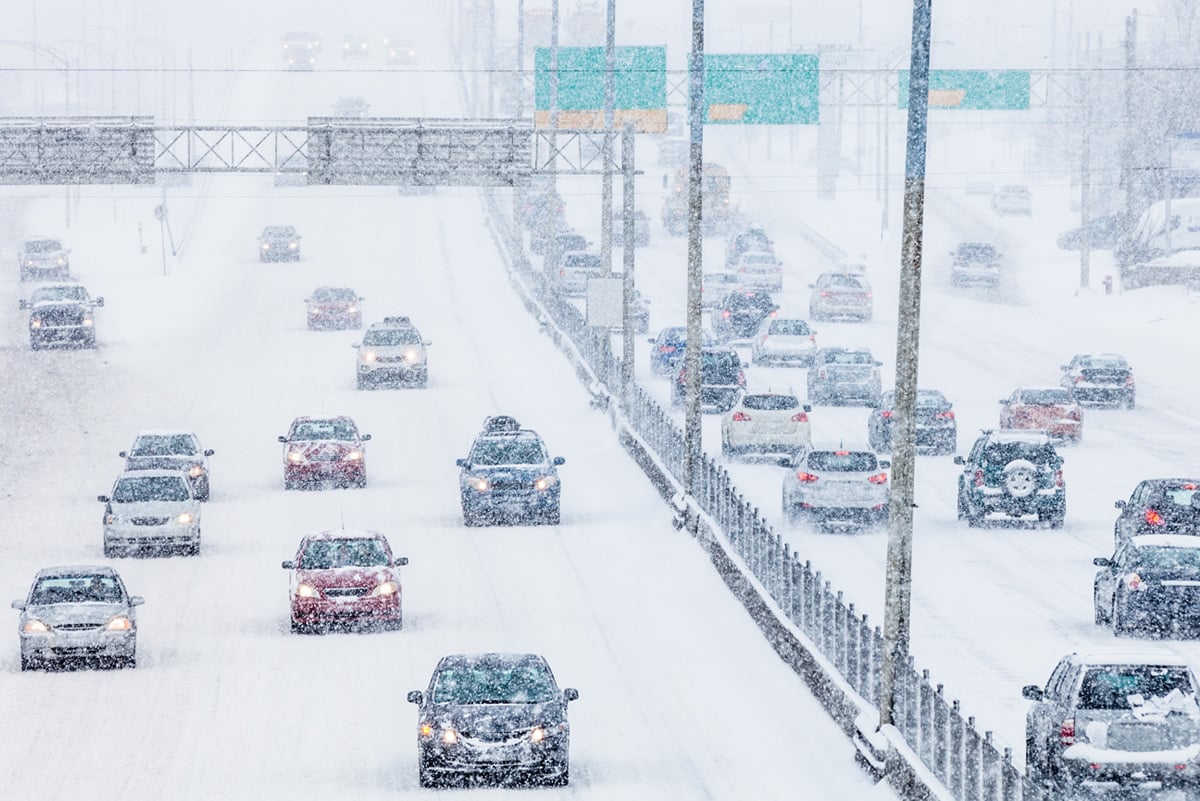
A bomb cyclone, or storm that has undergone bombogenesis, is a storm that rapidly gains strength due to a very sudden pressure drop. The greater the reduction in pressure, the stronger the storm. With the drop in pressure affected areas can expect high winds, heavy snow, and flooding. To think of it simply, bomb cyclones can be compared to a winter hurricane.
Effect of Bomb Cyclone on Travel
Bomb cyclones have the ability to cause major disruptions to winter travel. These historic storms have been known to dump multiple feet of snow, and may have hurricane-force winds. Historically, countless flights have been canceled or delayed as a result of this severe weather forecast.
The National Weather Service strongly advises anyone planning to travel to, from or through a region affected by a bomb cyclone to reconsider their plans. Unfortunately, sometimes travel is unavoidable in harsh conditions. If you absolutely must travel through a bomb cyclone, be prepared.
If You are Driving
Drive during the day, it may be safer and easier to see the roads
Go slow – high winds will especially impact taller vehicles
Bring along a travel safety kit and extra blankets
Invest in snow tires to help improve your vehicle’s overall stability
If You are Flying
Confirm if your flight is still scheduled
Stay patient if you are rerouted, this storm is impacting travelers nationwide
Check airport wait times
Pack an extra set of clothes in your carry-on, just in case
Travel Insurance for Bomb Cyclones
Travel insurance is designed to help cover unexpected events. Bomb cyclones can close entire cities. The high winds and low visibility can ground flights, and the damage from the heavy wet snow and flooding may impact road travel long after the storm has passed.
For those who purchase travel insurance prior to a known peril, there may be benefits in the event that a bomb cyclone threatens your travel plans. Some examples of benefits that may apply in the event of severe weather:
Delays & Missed Connections:
Many policies may cover travelers when airlines are forced to delay service due to weather, including bomb cyclones. For some plans, if a delay lasts longer than 6 hours, reimbursement for necessities like food and temporary lodging may be available.
Cancellations:
In the event that a bomb cyclone as forced your airline to cancel the flight altogether, comprehensive plans may cover up to 100% of your insured trip’s cost. If before departure a bomb cyclone, or other severe weather, causes damage to your home and you must cancel your trip to deal with repairs, comprehensive travel insurance benefits may help.
Disclaimer: The information contained in this article serves as a general overview of benefits and should only be used for informational purposes. Refer to your individual certificate of insurance for specific coverages, exclusions and benefits. When in doubt, please contact one of our licensed agents for additional assistance.
Although travel insurance is not a requirement for Hawaii, we highly recommend purchasing coverage for trips to the “Aloha State” to protect against the unexpected. This may include injury or illness while traveling, baggage damage or loss, delays due to mechanical issues, and disruptions.
Many of our customers cite health as a top concern when it comes to traveling. Protecting yourself against unexpected medical mishaps (and bills) is important no matter where you are traveling. Fortunately for U.S. citizens and many long-term residents, most domestic health insurance policies cover medical needs when traveling to Hawaii. However, if your domestic health insurance does not cover you, or if you are traveling from a country other than the United States, a travel medical plan offers an affordable coverage option.
While health concerns are common among vacationers headed to Hawaii, there are several other reasons both U.S. and non-U.S. citizens should consider purchasing coverage. Getting to the islands typically involves either flying or taking a cruise, which sometimes results in unexpected travel delays or disruptions. Examples may include baggage loss or delay, mechanical issues, and unforeseen weather conditions. If you’re concerned about one or more of these scenarios, you may want to consider buying comprehensive travel insurance. Depending on the provider and the specifics of the policy, you may be able to address all of your concerns with a single plan.
In some cases, travelers may need to end their trips early or cancel them altogether. Trip cancellation and cancel for any reason (CFAR) plans are ideal for these types of situations. For example, if you have ailing parents back home or you simply want the freedom to return early, CFAR and trip cancellation can be useful coverage options.
How Much is Travel Insurance to Hawaii?
One of the most common questions we get from customers is “how much will travel insurance for Hawaii cost?” The cost of a travel insurance plan varies depending on several factors. The number of travelers in your party, the ages of those travelers, the duration of your trip, and the type of coverage purchased are the most influential factors used in determining the cost. As a general rule of thumb, travelers can expect to pay a higher premium as risk increases. For example, coverage for trip lasting a month or more usually costs more than week-long trip. Similarly, older travelers who have medical issues, especially those with pre-existing conditions, may pay more for coverage. In some cases, you may have the option to insure your trip cost, which also affects the final price of the travel insurance plan.
Do I Need a Passport for Hawaii?
No, passports are not required for U.S. citizens when traveling to Hawaii. However, U.S. citizens will still need an acceptable form of government-approved ID. Americans traveling to Hawaii should note that in 2025 Real ID will be required, even when flying domestically.
Non-U.S. citizens must present a valid passport with more than six months before its expiration at the time of entry.
Do I Need a Visa for Hawaii?
Much like the rest of the United States, visas are not required if your Hawaii trip lasts less than 90 days and the purpose is transit, sightseeing, or business. By using the Visa Waiver Program, travelers may be able to visit Hawaii without applying for a visa but only after ESTA authorization has been approved. However, the Visa Waiver Program is only available to citizens of some countries. All non-U.S. travelers must apply for ESTA, even for ordinary sightseeing.
In some instances, you may not be authorized to travel using ESTA. This may apply if you have ever been denied entry to the U.S., have a criminal record, or have previously had a visa application rejected. In these cases, completing a visa application is required. For additional limitations and full details, view the ESTA online center for Hawaii travel.
Travel Tips & Safety for Hawaii
Money & Currency Exchange
Just like the rest of the continental United States, Hawaii’s official currency is the U.S. dollar. ATMs are widely available across the islands, so accessing funds while on vacation is relatively easy for travelers. With that said, you’ll want to keep an eye out for any fees that apply to your transactions. This is especially true if you’re traveling from a country other than the United States because most banks will charge a fee for exchanging foreign currency. Travelers visiting Hawaii should also keep in mind that many physical goods are imported to the islands and some items have additional taxes. As a result, visitors should expect to pay slightly more for goods than they would on the mainland.
Transportation
Shuttles
While Hawaii is small in terms of land area when compared to the rest of the United States, getting around can be a little tricky due to the geography and the availability of transportation options. Most travelers arrive either by plane or by cruise ship. Once at the airport terminal or cruise port, travelers will need to get to their hotels or other accommodations. Shuttles offer a convenient and economical way to get to your next destination. Some hotels even operate their own shuttles, so check with your hotel before you arrive.
Taxis & Ride-Sharing Services
When shuttles are unavailable, travelers can take taxis or ride-sharing services. Although taxis are readily available in most metro areas, they typically cost more than ride-sharing services. Similarly, ride-sharing services (like Uber and Lyft) can provide a lower-cost alternative to traditional taxis but are not available everywhere. Ride-sharing has become very popular on Oʻahu but less so on other islands. It’s also worth noting that ride-sharing was forbidden until recent changes to state law. Travelers can now utilize these services, but you’ll want to make sure you’re being picked up at a designated ride-share pick up spot.
Car Rental
Another option is renting a car. Rental cars provide an affordable way for travelers to see the Hawaiian Islands at their own pace. Renting a car is even easier for an American citizen or long-term U.S. resident who already has a U.S. driver’s license. Be prepared to wait for the rental though, as lines can be lengthy, especially during peak travel times. When planning your Hawaiian trip, consider joining the loyalty program for the car rental company you’ll be renting from. This may help expedite your wait time or skip the line altogether. One thing to remember when you hit the road is that Hawaii allows much of their police force to use their own vehicles for official business. As a result, you’ll want to be extra vigilant about speed limits and safety since you likely won’t be able to spot the officer before they spot you. Like most popular destinations, there may be heavy traffic and limited parking.
Public Transport & Bus Services
Public transportation in Hawaii is still developing, which means that ferry service and rail lines are not widely available. Instead most travelers and locals rely on the bus system. Bus routes and times vary by location. TheBus on Oʻahu, for example, features over 500 buses and over 100 daily service routes. The Waikiki Trolley is another great option if you’re traveling in and around Honolulu. While Oʻahu’s public transport system is the most robust, the other main islands including The Big Island (Hawaiʻi), Maui, and Kauai also offer service but is generally more limited.
Ferry service between the islands is not available consistently except for those run by Expeditions, which carry passengers between Maui and Lānaʻi. Despite the lack of consistent inter-island ferries, getting from one island to the other can still be done by boarding a cruise ship. In fact, Norwegian Cruise Lines offer a multi-island package that takes passengers to four islands on a seven-day voyage. If you’d rather fly between islands, you can book a flight through Hawaiian Airlines, Mokulele, or ‘Ohana which is run by Hawaiian. These flights are typically more expensive than taking a ferry or cruise ship but are ideal for destinations that lack other transport services. Helicopter tours are also available for those looking to spend a little more for a one-of-a-kind Hawaiian Island experience.
Culture
The unique blend of Polynesian and American cultures is part of the reason Hawaii is consistently one of the top travel destinations in the United States. The Aloha State is renowned for its welcoming and laid-back way of life. Hawaiians honor many longstanding traditions, including the well-known Hula performances and Luaus. What’s more is that tourists are invited to participate in these culturally significant events, which is a great opportunity for travelers seeking an immersive experience. Additionally, the wide range of heritage sites and historical museums lets visitors get acquainted with the long history of the islands.
Many of Hawaii’s contributions to the world are easily recognized and have become synonymous with the state’s culture, from the invention of the ukulele to revolutionizing the sport of surfing. Hawaiians have also made their mark on cuisine. Travelers are encouraged to try the staples, including poi, lualua, Kalua pig, poke, and home-grown fruits like pineapple and lilikoi. And don’t forget the famous shaved ice!
One of the reasons many Americans travel to Hawaii is its military significance. Hawaii had already been established as a military base for the U.S. prior to WWII, but after the bombing of Pearl Harbor in 1941 the site gained new meaning. The Pearl Harbor National Memorial, which includes the USS Arizona Memorial, welcomes millions of visitors annually.
Speaking the Language
Both English and Hawaiian are listed as official languages of the Aloha State. However, fluent Hawaiian speakers make up less than one percent of the state’s population, so it is uncommon to hear full conversations taking place in Hawaiian. That said, tourists will likely encounter many Hawaiian words and phrases woven into English. The following is a list of some of the most common Hawaiian words and phrases:
Honu: green sea turtle (endangered species; do not approach)
Lanai: balcony/patio (not to be confused with the Hawaiian Island Lānaʻi)
Lei: traditional Hawaiian necklace made of flowers, shells, etc.
Risk & Crime
Like any travel destination, Hawaii does pose some safety risks. While most of Hawaii’s tourist hotspots are typically safe, travelers should always remain aware of their surroundings. The biggest threat to visitors is theft. To minimize your risk, keep your valuables out of sight and avoid deserted areas at night. It’s also a good idea to carry cash in a few different places on your person, so in the unlikely event you are robbed you won’t lose all of your money. Crime rates are generally higher in Waikiki than other areas, so be sure to stay extra vigilant if you plan to visit the area. When in doubt, ask your hotel staff or travel agent for areas or neighborhoods to avoid.
Perhaps unsurprisingly, nature poses some of the largest safety risks to Hawaiian tourists. If you plan to head to the beach, be sure to pay attention to all signs in the area. Some signs warn of strong rip currents, which can be deadly for even the most experienced swimmers. Other signs denote areas with increased shark or wildlife activity. Shark attacks are rare, but you can minimize your risk even more by avoiding areas where sharks and other dangerous wildlife are known to feed. The sun is strong due to the island’s proximity to the equator, so the risk for sun-related illness or injury is high. It is recommended that visitors use a high SPF sunscreen and stay hydrated.
Hawaii takes trespassing on private property very seriously and strictly enforces these laws, but the fear of getting in legal trouble pales in comparison to the real threats non-public land can pose. Tourists who wander off can be met with anything from the dangers of dense rainforests to superheated soil and lava tubes in volcanically active regions. Hawaii’s unique geology means that earthquakes, volcanic eruptions, tsunamis, and flash floods are possible. While these natural events can be life-threatening, they are rare and most people visiting Hawaii do not experience them.
How Many Islands Make Up Hawaii?
While Hawaii has over 135 total islands, its eight main islands include:
Hawaiʻi aka “The Big Island”
Maui aka “The Valley Isle”
Oʻahu aka “The Gathering Place”
Kauaʻi aka “The Garden Isle”
Molokaʻi aka “The Friendly Isle”
Lānaʻi aka “The Pineapple Island”
Niʻihau aka “The Forbidden Isle”
Kahoʻolawe aka “The Target Isle”
Of the eight main islands, only seven are permanently inhabited. The island of Niʻihau is privately owned and access is granted only by the island’s owners. Similarly, Kahoʻolawe island, which has no permanent population, is also restricted.
Popular Destinations in Hawaii
Hawaii has some of the most diverse terrain of any U.S. state. Its topography ranges from mountainous rainforests to barren volcanic calderas to iconic black sand beaches. With so many unique landforms, historical sites, and parks, there’s something for every traveler. If you’re an adventurer, consider booking a horseback tour, go snorkeling with stunning sea life, take a boat or helicopter tour along the pristine yet rugged coastline, or go for a hike through Hawaiʻi Volcanoes National Park. History buffs will love visiting Pearl Harbor and the USS Arizona Memorial. City folks and nightlife junkies can also get their fill by visiting the Aloha State’s premier city, Honolulu. No matter what you choose to do on your Hawaiian vacation, make sure to account for travel time, especially when traveling from one island to another. We’ve compiled a “best-of” list for popular tourist attractions and destinations in Hawaii, so start planning your trip itinerary today!
Top 10 Travel Destinations for Hawaii
Waimea Canyon State Park, Kauaʻi
Hawaiʻi Volcanoes National Park, Hawaiʻi
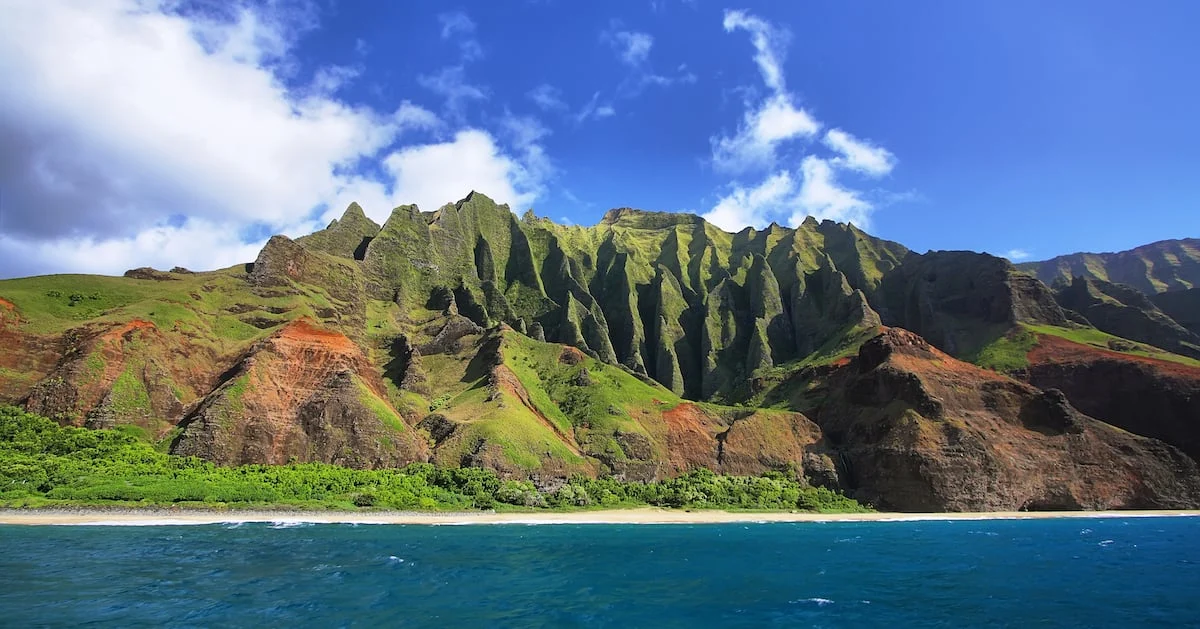
Nā Pali Coast State Park, Kauaʻi
Pearl Harbor & USS Arizona Memorial, Oʻahu
Haleakalā National Park, Maui
Diamond Head State Monument, Oʻahu
Hanauma Bay Nature Preserve, Oʻahu
Kona Coffee Living History Farm, Hawaiʻi
Road to Hana (Hana Highway), Maui
Waipiʻo Valley, Oʻahu
Local Favorites in Hawaii
Hawaii is a tropical oasis, an island of adventures, and so much more-and the Number One way to enjoy everything it has to offer is by learning how to travel like a local. That means knowing the locals’ favorite destinations. To help you out, we’ve gathered a few here to help you create your very own Hawaii visitors guide.
Oahu’s North Shore
If you’re flying into Oahu, here’s a great idea: rent a car, drive up the coast, and find yourself on the island’s North Shore. This part of Oahu is famous for surfing, but it’s perfect for sunbathing, and floating in the shallows, too. If you’re lucky, you may also have the opportunity to observe a giant sea turtle up close; volunteers keep them safe and educate tourists when they’re basking on land.
Maui’s Road to Hana
Here’s how to travel like a local when you’re taking the Road to Hana: take your time. This scenic route, also known as the Hana Highway, winds along the island’s eastern coast. As you progress, you’ll have so many reasons to pull over and take a picture, from the lush rainforests and cascading waterfalls to the dense groves of a bamboo forest, the natural swimming pools of the Oheo Gulch, and everything in between.
The Big Island’s Hawaii Volcanoes National Park
The Volcanoes National Park makes its way into every Hawaii visitors’ guide for a reason: it’s incredible. Home to Kilaue and Mauna Loa volcanoes (two of the most active on Earth), this UNESCO World Heritage Site offers opportunities for scenic drives around the Halemaʻumaʻu Crater rim, a network of hiking trails that take you through verdant trees and lava tubes, and chances to witness ongoing lava flows at the Kilauea caldera.
Disclaimer: The information contained in this article serves as a general overview of benefits and should only be used for informational purposes. Refer to your individual certificate of insurance for specific coverages, exclusions, and benefits. When in doubt, please contact one of our licensed agents for additional assistance.
Part of the Planning is Making Sure Things Go Smoothly
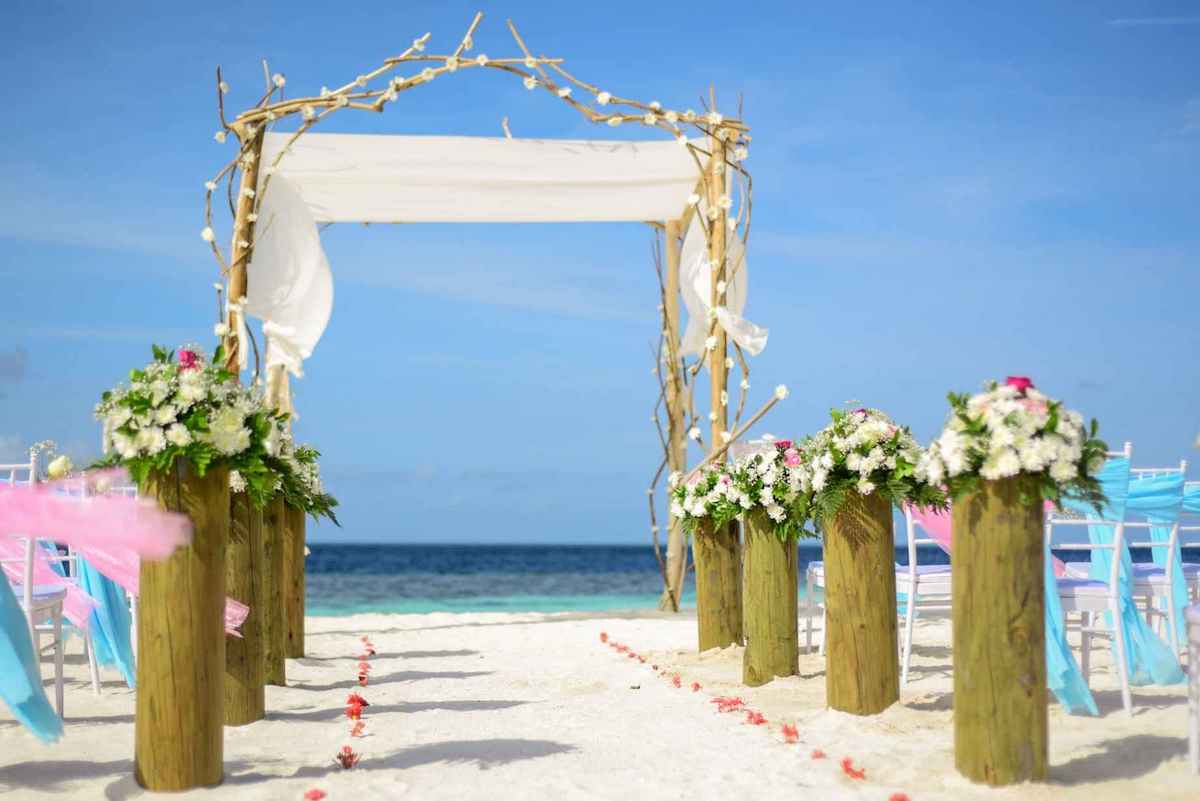
Insurance doesn’t seem like a subject that fits in when you’re planning a destination wedding. Whether your plans include heading to a Caribbean island or the Amalfi Coast of Italy, you’re focused on the logistics and details of planning a wedding away from home and dreaming about the day, probably with a lot of help from Pinterest. Insurance for the trip is likely pretty far from your first thought. Here’s why you might want to consider it.
Severe Weather Can Affect Multiple Regions at One Time
It’s not pleasant to think about, but if you’re planning a wedding in the Caribbean, your plans might be affected by a hurricane or tropical storm, either at the wedding location or at home. Hurricane season lasts from June 1 to November 30 each year and peaks in September and October, and once a storm has formed, it’s too late to buy coverage.
Traveling Worry-Free is One Thing You Can Check Off Your List
Typically, a comprehensive plan will offer a variety of benefits covering a wide range of concerns. If something comes up and you need to head home early, a comprehensive plan may help reimburse you for the unused portion of your trip. Flight delay, baggage loss or damage, 24-hour assistance and some travel medical coverage are also included in comprehensive plans.
Coverage is Key – Buying Early Helps Maximize Your Choices
Trip Cancellation and Cancel for Any Reason coverage are two of the most popular benefits used by travelers. A destination wedding or a honeymoon often involves a big investment – you want to protect that investment. Every plan is different and will have a varying list of covered reasons for standard trip cancellation insurance.
If you are concerned that the reasons listed as covered reasons to cancel may not be enough, consider optional Cancel for Any Reason coverage when choosing a plan. Cancel for Any Reason reimburses up to 75% of the trip cost for cancellation due to any reason at least two days prior to departure. This benefit must be purchased within 7-21 days of your initial trip payment, which is important to know if your wedding date is a year or two out and you’re booking arrangements now.
Tip for Parents – You Can Buy Insurance for Gifted Travel
If you’re the parents of the bride or groom, you may be thinking about insurance before they do if you’re giving a gift of travel. Unlike other types of insurance, you can purchase a travel insurance plan for someone else. You will need basic information about the travelers like their age, gender, home address and birthdates. Don’t feel like you have to wait until after you give the gift to insure it. As soon as any non-refundable part of a trip is booked, whether for a destination wedding or a honeymoon, you can purchase a plan to cover it.
Disclaimer: The information contained in this article serves as a general overview of benefits and should only be used for informational purposes. Refer to your individual certificate of insurance for specific coverages, exclusions and benefits. When in doubt, please contact one of our licensed agents for additional assistance.