Getting around a new city shouldn’t feel like a puzzle. A strong public transit system can make travel easier, cheaper, and far less stressful when you’re navigating an unfamiliar destination for the first time or trying to avoid renting a car.
Some cities make it simple to get from point A to point B with reliable, easy-to-use transit networks. Others… not so much. To help travelers plan smarter, InsureMyTrip researchers analyzed publicly available urban mobility data from trusted global sources to identify the best public transit networks around the world, cities where public transportation is efficient, accessible, and traveler friendly.
What Makes a Public Transit Network “Good”?
A great public transit system isn’t just about having buses or trains; it’s about how well the system works for everyday riders and visitors. Here’s what researchers looked at when evaluating transit networks:
- Coverage & Accessibility – How well the transit system connects major neighborhoods, tourist areas, and airports, and how easy it is to access without a car.
- Reliability & Frequency – How often services run, how dependable they are, and whether travelers can rely on transit to get around on time.
- Affordability – How reasonably priced tickets and passes are compared to local cost of living and alternative transportation options.
- Ease of Use – Clear signage, intuitive routes, integrated ticketing, and overall ease of navigation for visitors.
- Sustainability & Investment – Ongoing investment in public transportation and policies that support long-term urban mobility.
Cities that perform consistently well across these areas tend to offer the best overall public transit experience.
Cities with the Best Public Transit Networks
1. Singapore
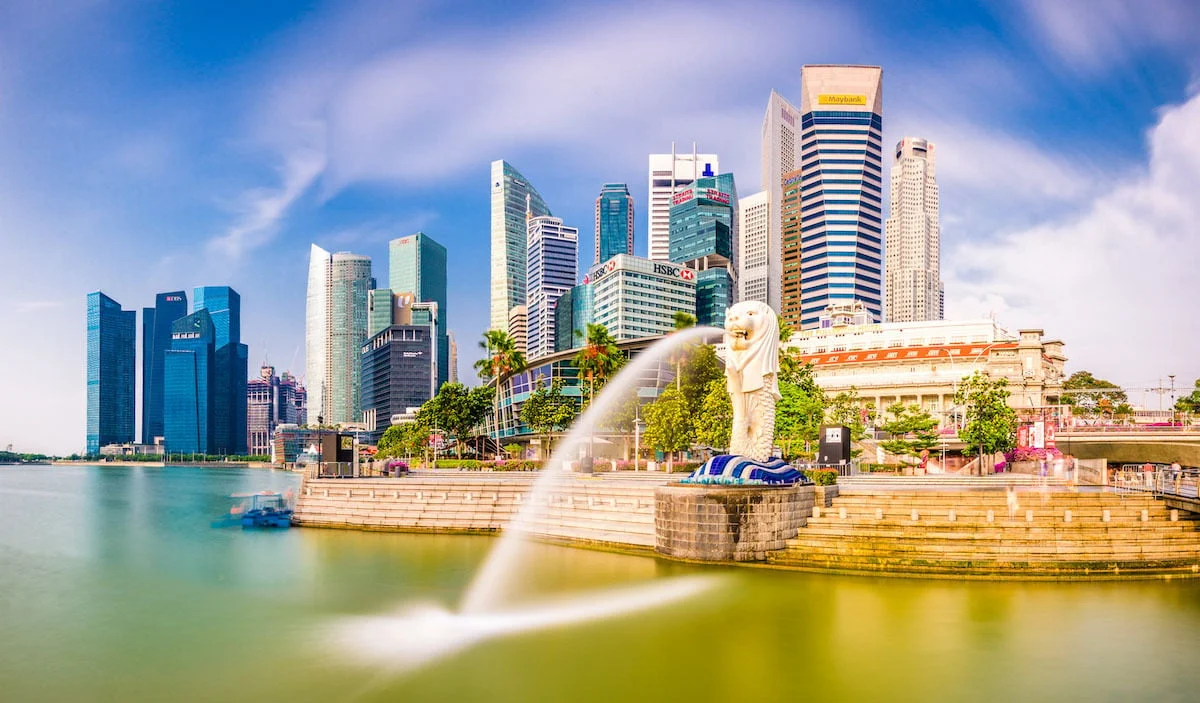
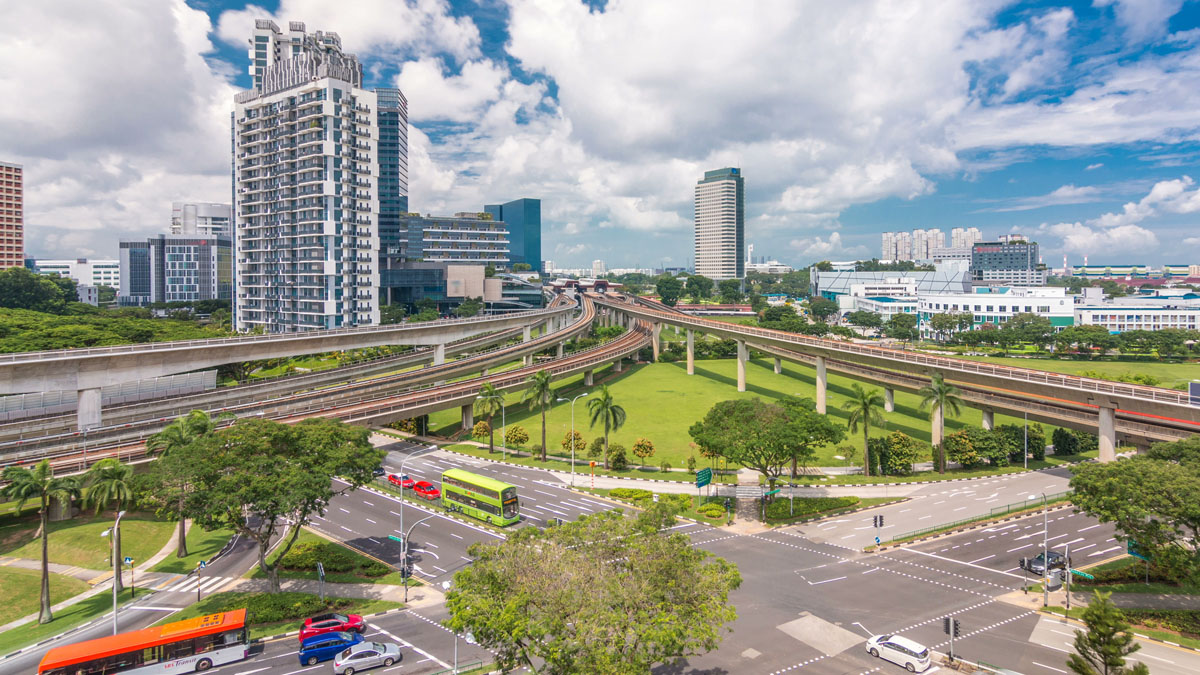
Singapore is widely recognized for having one of the most efficient and reliable public transit systems in the world. Its Mass Rapid Transit (MRT) network is clean, punctual, and easy to navigate, even for first-time visitors.
Why it stands out:
- Extensive rail and bus coverage across the city
- Clear signage and integrated payment systems
- Strong investment in urban mobility infrastructure
For travelers, Singapore’s transit system makes it easy to explore the city without ever needing a car.
2. Tokyo, Japan
Tokyo’s public transit network is famous for its scale and efficiency. Despite serving millions of passengers daily, trains and subways remain remarkably punctual and well-organized.
Why travelers love it:
- Extremely frequent service
- Exceptional reliability and on-time performance
- Seamless connections between train lines
While the system is large, clear maps and station signage make it manageable for visitors willing to plan ahead.
3. London, United Kingdom
London’s public transit system is one of the most comprehensive in Europe. With the Underground, buses, and regional rail services, travelers can reach nearly every corner of the city.
Key strengths:
- Extensive coverage across Greater London
- Contactless payment and visitor-friendly fare options
- Strong integration between different transit modes
London’s network is especially useful for travelers staying outside the city center who still want easy access to major attractions.
4. Paris, France
Paris offers one of the densest public transit networks in the world, making it easy to move around the city quickly and affordably.
Why it works well:
- Compact metro system with frequent stops
- Affordable ticketing options
- Strong connectivity to suburbs and airports
For travelers, Paris’s transit system is ideal for sightseeing without relying on taxis or rental cars.
5. Berlin, Germany
Berlin’s public transit system is known for its simplicity and reliability. The city’s U-Bahn, S-Bahn, trams, and buses work together seamlessly.
What makes it traveler-friendly:
- Straightforward ticketing system
- Good coverage day and night
- Reliable service with minimal delays
Berlin’s network is especially appealing for travelers who want flexibility and ease of movement throughout the city.
Wrap-Up
The best public transit networks make travel easier, more affordable, and more enjoyable. Cities that invest in reliable, accessible transportation give travelers the freedom to explore without worrying about traffic, parking, or high transportation costs.
If getting around easily is high on your travel priority list, choosing destinations with strong public transit networks can make a big difference.
Methodology
To identify the best public transit networks, InsureMyTrip researchers reviewed a combination of global urban mobility datasets, transit performance indicators, and publicly available transportation data. Cities were evaluated based on factors that most impact traveler experience, including coverage, reliability, affordability, accessibility, and overall transit efficiency.
Sources
All data was pulled from the most recent information available at the time of publication and sourced from well-established transportation and economic authorities, including:
- UITP (International Association of Public Transport) – Assess public transit investment, network coverage, and urban mobility best practices across global cities.
- World Bank Urban Mobility and Transport Data – Evaluate city-level transportation infrastructure, accessibility, and transit system development.
Supplemental data and contextual insights were reviewed from additional public transit research and urban mobility reports to support overall comparisons.